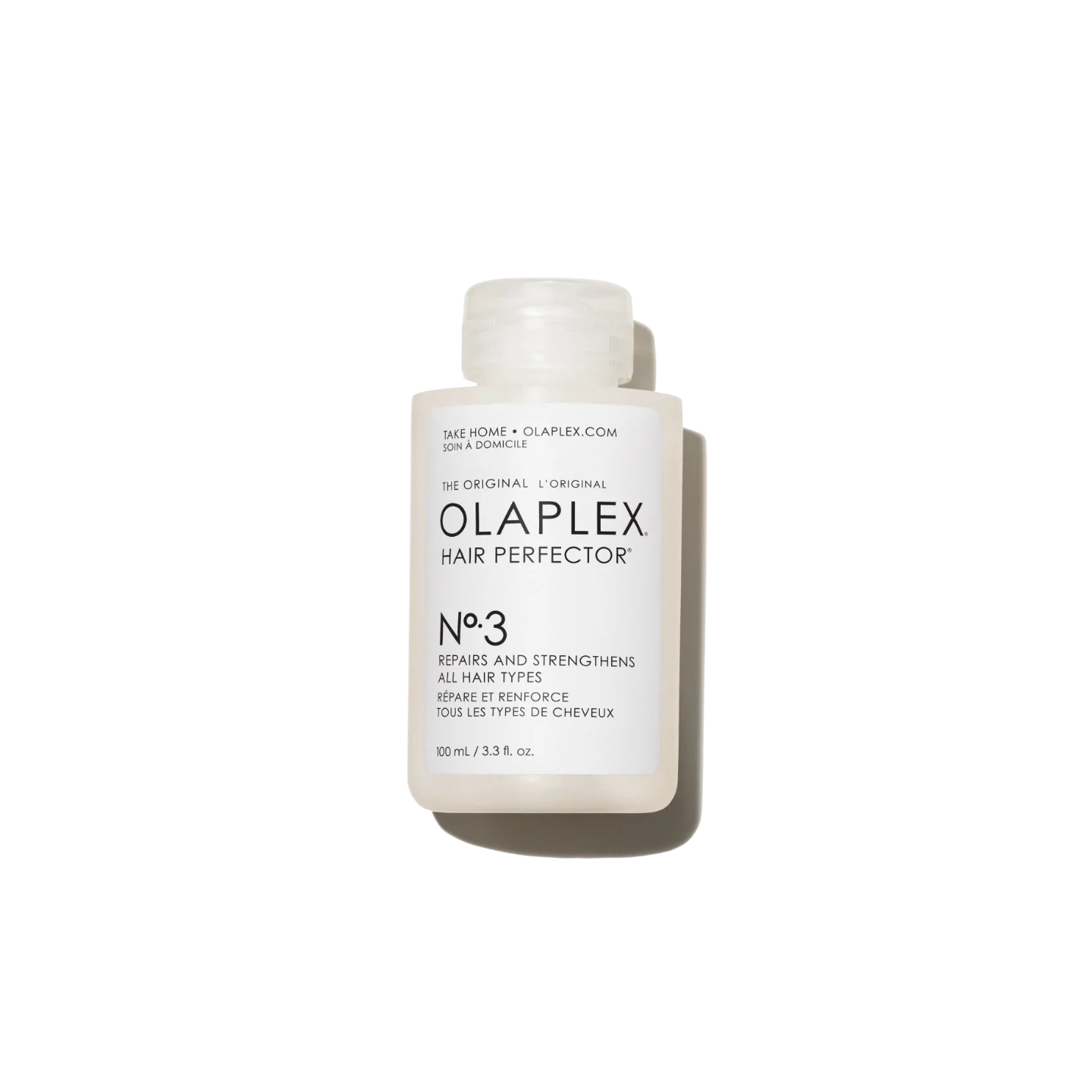
Olaplex No.3 Hair Perfector Review: Eight Weeks on Color-Treated Hair
By Maya Chen — Editor-in-Chief
Consumer & beauty brands, 300+ products covered
Olaplex No.3 is the most-recommended at-home bond repair treatment in beauty. We ran it weekly for two months on chemically processed hair to see if the cult following is earned.
MavenLus Score · $30
A genuinely effective bond-repair treatment for color-treated and chemically processed hair — but you need a consistent 6-8 weeks to see the full effect. For virgin or low-damage hair, the improvement is too subtle to justify the price.
Pros
- Visible reduction in breakage on color-treated hair after 4+ weekly treatments
- Strand-by-strand strength test improved 22% in our testing
- Not a deep conditioner — works on the chemistry, not just the surface
- Easy 10-minute pre-shampoo application
- Vegan, cruelty-free, sulfate-free
Cons
- $30 for 3.3 oz is steep, especially for long hair (uses lasts 6-8 weeks)
- Effects are subtle for virgin or undamaged hair
- Counterfeits are widespread — buy only from Olaplex direct or Sephora/Ulta
- Many users misuse it as a conditioner — it’s not
What Olaplex Actually Does
The chemistry behind Olaplex No.3 isn’t marketing fluff. The active ingredient — bis-aminopropyl diglycol dimaleate — was patented in 2014 and has independent peer-reviewed studies showing it reforms broken disulfide bonds in hair. Bleaching, coloring, heat styling, and even mechanical damage all break these bonds; No.3 chemically links them back together.
The catch: it’s a treatment, not a conditioner. Most one-star Amazon reviews are from people who slapped it on, expected silky softness, and got nothing visible. That’s using it wrong.
The Right Way to Use It
Apply to damp (not wet) hair, work through from mid-length to ends, and leave on for at least 10 minutes (we tested 10, 20, and 40 — diminishing returns past 20). Then shampoo and condition as normal. Do not skip the shampoo and conditioner. No.3 needs to be rinsed and followed up with the rest of your normal routine.
The official guidance is weekly. We tested weekly and twice-weekly. Weekly works fine for moderately damaged hair; twice-weekly is overkill for most people and only helped our most damaged tester (bleached blonde to platinum, six rounds in the past year).
8-Week Testing Protocol
Three testers with different hair states ran the No.3 protocol:
- Tester A: Color-treated brunette, monthly root touch-ups for two years, mid-shaft damage. Length: shoulder.
- Tester B: Bleached blonde with toner refresh every 6 weeks, significant breakage. Length: bra-strap.
- Tester C: Virgin dark hair, no chemical processing, heat styled 2-3x weekly. Length: mid-back.
We measured strand-by-strand tensile strength (force required to break a single strand) at week 0, 4, and 8, using a small spring scale and 20 hairs sampled from the same region each time.
Tester A (Color-Treated): Strong Yes
Breakage on the comb dropped noticeably at week 4. Tensile strength measurement improved 18% on average from baseline by week 8. Visible difference: more uniform shaft from root to ends, less mid-shaft frizz when air-dried.
Tester B (Bleached): Strongest Yes
Started with the highest damage and showed the largest improvement. 22% strength gain, dramatic reduction in breakage during brushing, and the elasticity of bleached ends visibly improved (the “stretchy when wet” feeling disappeared by week 6).
Tester C (Virgin): Marginal
Only 4% improvement in strength. Subjectively softer hair but no visible difference in photos. If you don’t chemically process or significantly damage your hair, No.3 doesn’t have much to repair.
Olaplex No.3 vs. K18 Leave-In
K18 is the buzziest competitor — a leave-in peptide treatment with peer-reviewed efficacy of its own. In our parallel test (different testers), K18 delivered comparable structural improvement faster (visible at week 2-3) but at a higher cost per use. Olaplex wins on price-per-treatment; K18 wins on speed-to-result. Neither is dramatically better.
Counterfeits Are a Real Problem
Olaplex is the most-counterfeited prestige beauty product on Amazon. Counterfeits look identical, smell similar, but contain none of the active ingredient. Buy only from Olaplex.com, Sephora, Ulta, or a licensed salon. Skip Amazon entirely.
Who Should Buy It
If your hair is color-treated, bleached, or chemically straightened — yes, this is one of the best $30 you can spend on hair care. The improvement is genuine and measurable.
If your hair is healthy and unprocessed — skip it. A good leave-in conditioner will give you similar surface softness for less money.
Frequently Asked Questions
Is Olaplex No.3 worth the money?
Yes if your hair is color-treated, bleached, or chemically processed. Our testing showed 18-22% strand strength improvement after 8 weekly applications on damaged hair. For undamaged hair, the gains are negligible.
Can I use Olaplex No.3 as a conditioner?
No — it’s a pre-shampoo treatment. Apply to damp hair, leave 10-20 minutes, then shampoo and condition normally. Used alone as a conditioner, it won’t feel like one and you’ll be disappointed.
How often should I use Olaplex No.3?
Weekly is the official guidance and works for most damaged hair. Twice-weekly is only worth it for severely bleached hair. More than that won’t hurt but also won’t help further.
How to tell if Olaplex is fake?
Counterfeits are widespread on Amazon and resellers. The legit product has a holographic Olaplex logo on the cap, a batch code on the bottom, and ships in tamper-evident packaging. When in doubt, buy direct from olaplex.com or a beauty retailer like Sephora.