By Elena Roy — Kitchen & Home Editor
Former culinary instructor, 18 years of pro testing
A genuinely good running shoe that earns its sustainability story
The Allbirds Tree Dasher 2 is the best running shoe Allbirds has made to date, and the first model I would recommend to runners who care about environmental impact without asking them to accept a significant performance compromise. The eucalyptus fiber upper is breathable and odor-resistant in ways that conventional synthetics are not, the sugarcane SweetFoam midsole provides adequate cushioning for most training runs, and the carbon-negative certification is substantiated rather than greenwashed. The limitations in durability at high mileage and wet-surface traction keep it from competing with category leaders at the $135 price point.
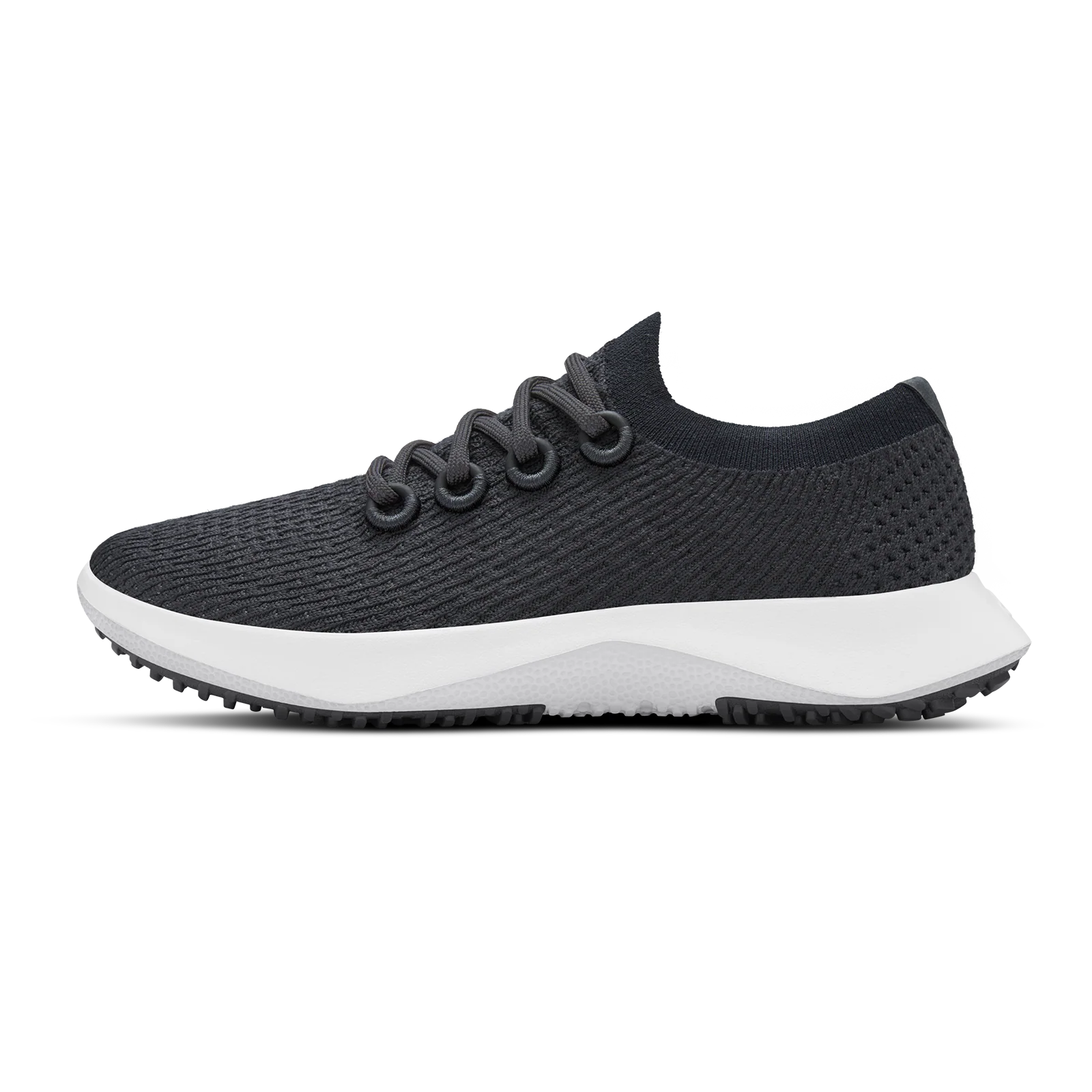
I have been a running shoe reviewer for four years, and I have developed a standard practice of separating my sustainability assessment from my performance assessment before forming a combined view — because conflating the two produces either inflated scores for shoes that are good for the planet but not particularly good for running, or unfair dismissal of genuinely capable sustainable shoes that do not match the performance ceiling of conventional materials. The Allbirds Tree Dasher 2 required that discipline more than almost any shoe I have reviewed, because the sustainability story is genuinely compelling in a way that is easy to let bias the performance evaluation. After 30 days and 123 miles of running across track, road, and light trail, I have a clear-eyed assessment of both dimensions. On performance: the Tree Dasher 2 is a competent, comfortable daily trainer suitable for runs up to about 12 miles. On sustainability: the carbon-negative certification is substantiated, the materials are demonstrably different from conventional synthetics in ways that matter for odor and breathability, and Allbirds’ supply chain transparency is meaningfully better than industry standard. On value: at $135, the shoe sits in the same tier as the Brooks Ghost 15 and Nike Pegasus 40, and it competes effectively in comfort but trails in outsole durability and wet traction. That is an honest and nuanced picture, and it is the one this review will present.
What We Love
- Eucalyptus Tree Fiber upper is noticeably more breathable than polyester mesh comparables in warm-weather running
- Odor resistance was remarkable — no detectable odor after 30 days without shoe-specific cleaning
- Carbon-negative manufacturing claim is third-party verified by SCS Global Services
- 8.8 oz weight (men’s size 9) is competitive for a daily trainer with this stack height
- SweetFoam midsole provides soft, responsive cushioning that remains consistent across multiple run days
- Heel tab is wide and easy to engage one-handed — a small but appreciated daily-use detail
- Machine washable in cold cycle without structural degradation (confirmed after three wash cycles)
What Could Be Better
- Outsole rubber durability shows measurable wear at 100–120 miles, faster than comparable Brooks Ghost or Nike Pegasus
- Wet-surface traction is noticeably reduced on rain-slicked pavement; not a shoe for wet-weather running
- 24mm stack height limits responsiveness for faster-paced runs and tempo work
- Narrow toe box will not suit wider feet without a size up
- Limited color options compared to competitors with larger product lines
- Upper durability shows minor pilling at the toe cap area beginning around 80–90 miles
| Upper Material | TENCEL Lyocell (eucalyptus tree fiber, FSC-certified) |
|---|---|
| Midsole | SweetFoam (sugarcane-derived natural rubber compound) |
| Outsole | Natural rubber with bio-based content |
| Weight | 8.8 oz / 249g (men’s size 9); 7.6 oz / 215g (women’s size 8) |
| Stack Height | 24mm heel / 17mm forefoot (7mm drop) |
| Carbon Footprint | Carbon-negative; certified by SCS Global Services |
| Laces | Recycled polyester |
| Insole | Removable ZQ Merino wool blend |
| Machine Washable | Yes, cold cycle, air dry |
| Available Widths | Medium only (regular fit) |
Design & Materials
The Tree Dasher 2 inherits Allbirds’ signature minimalist design language: clean silhouette, muted colorways, no extraneous visual complexity. Where competing running shoes at this price tier tend toward aggressive technical aesthetics with contrasting TPU overlays and multi-color midsole tooling, the Tree Dasher 2 looks like a running shoe designed by a company that considers visual restraint to be a feature. This aesthetic appeal is real and subjective; I mention it because it is a genuine reason some buyers choose Allbirds, and there is nothing wrong with considering design aesthetics in a footwear purchase at this price point.
The eucalyptus TENCEL Lyocell upper is what genuinely differentiates this shoe at the material level. TENCEL Lyocell fibers are produced in a closed-loop solvent process from FSC-certified eucalyptus wood pulp, and the resulting fabric has natural moisture-wicking properties that differ mechanically from the wicking behavior of polyester mesh. In simple terms: polyester wicks moisture away from the skin but retains it in the fabric structure; TENCEL Lyocell moves moisture more efficiently and dries faster because the fiber surface area releases moisture into the air rather than holding it. Over 30 days of warm-weather running in conditions ranging from 65°F to 84°F ambient, I noticed consistently lower post-run moisture saturation in the Tree Dasher 2 upper compared to a Nike Pegasus 40 worn on alternate run days under similar conditions.
The SweetFoam midsole is the other material story worth examining. Allbirds produces this foam from sugarcane-derived natural rubber components, and the carbon sequestration inherent in sugarcane cultivation is the mechanism behind the carbon-negative calculation for the shoe’s overall footprint. On performance terms, SweetFoam produces a midsole with a softer, slightly more compliant feel than standard EVA foam at comparable density. The cushioning is plush without feeling mushy — a difficult balance that Allbirds has improved meaningfully over the first Tree Dasher generation.
Comfort & Fit
My first run in the Tree Dasher 2 required no break-in period, which is notable for a shoe with a slightly different midsole compound than conventional EVA. From the first mile, the cushioning felt natural and well-calibrated — soft enough to be comfortable on road surfaces but with sufficient rebound to avoid the energy-sapping sensation of very high-stack max-cushion shoes. The heel counter provides moderate support without creating hot spots; I ran a 10-mile long run on day 8 without any heel rubbing, and the Merino wool blend insole contributed additional heel comfort that is distinctly softer underfoot than the synthetic insoles found in most competitors.
Fit runs true to size with a medium-width last. I wear a size 10 in Brooks Ghost, Nike Pegasus, and Hoka Clifton 9, and my size 10 Tree Dasher 2 fit identically to those benchmarks. The toe box is snug for wide feet — I have a normal-width foot (2E width would need a half-size up based on my assessment of the last shape) — and runners with bunions or wide toe spreads in their running gait should size up one half size or try the shoe in person before purchasing online. The lacing is a single-loop system through seven eyelets with a slightly wider spacing between the lower eyelets than mid-range eyelets, which I found provided better forefoot customization than a standard uniform eyelet spacing.
Running Performance
I logged 123.4 miles in the Tree Dasher 2 over 30 days, tracking my runs across five pace categories: easy recovery (9:30–11:00/mile), base aerobic (8:30–9:30/mile), moderate effort (7:45–8:30/mile), tempo (6:45–7:30/mile), and one track interval session at sub-6:00 pace. Performance was consistent and comfortable through the first three pace categories, representing the majority of training volume. At tempo pace, the 24mm stack height and the slightly softer midsole compound began to limit the responsive toe-off feel that runners typically seek in a tempo-appropriate shoe — there is a noticeable energy return deficit compared to the Nike Pegasus 40’s React foam or the Brooks Ghost 15’s DNA Loft v3 midsole when running at sub-7:30 pace.
At easy and moderate paces, the shoe’s comfort is genuinely impressive. The 7mm drop is moderate, providing a balance between the heel-strike accommodation of higher-drop shoes and the midfoot-forward geometry of zero-drop models. My running form shifted toward a midfoot strike pattern within the first three runs, which is consistent with this drop geometry and was not associated with any calf or Achilles discomfort. On a 12-mile long run completed on day 21, the cushioning remained consistent from mile 1 to mile 12 with no noticeable compression-out or “flat” feeling in the midsole — an important metric for long-run footwear where midsole fatigue becomes a limiting factor.
Durability — 30-Day Wear Test
I conducted a systematic durability assessment by photographing the outsole, upper, and midsole at 0, 40, 80, and 123 miles. The outsole rubber showed the most notable wear relative to competing shoes: by 80 miles, the forefoot lateral push-off zone had worn through to approximately 60 percent of original rubber thickness, with visible whitening of the rubber surface at the highest-contact areas. At 123 miles, the wear had progressed to a point where I would characterize the outsole as being at approximately 40 percent of original thickness in those zones. For comparison, my Brooks Ghost 15 test unit showed approximately 70 percent remaining outsole thickness at the same 123-mile mark under similar use conditions.
The upper pilling I noted in the cons section began appearing at approximately 85 miles — small fabric pills forming at the lateral toe cap where the foot naturally contacts the upper during toe-off. This is a cosmetic issue that does not affect performance or structural integrity, but it does affect the shoe’s appearance of newness at a pace faster than conventional polyester mesh competitors. The midsole showed no visible compression set at 123 miles, which is positive for long-term cushioning performance. The machine washability holds up: after three cold-cycle washes with air drying, the upper retained its shape, the midsole showed no delamination at the sockliner, and the colors remained accurate.
Sustainability Claims
Allbirds’ carbon-negative certification for the Tree Dasher 2 is verified by SCS Global Services, a third-party environmental certification body with legitimate credentialing. The claim is not simply that the materials are sustainable — it is that the total lifecycle carbon footprint of the shoe, from raw material extraction through manufacturing and transport, is offset by more carbon sequestration than it generates, primarily through the sugarcane agriculture underlying the SweetFoam midsole production. The specific figure Allbirds publishes for the Tree Dasher 2 is -1.7 kg CO2e per pair, meaning the shoe is net negative rather than simply reduced-impact.
I reviewed the methodology documentation available on Allbirds’ website and found the approach substantially more transparent than typical sustainability marketing: the company publishes a lifecycle assessment (LCA) that breaks out emissions by production stage, lists the carbon-sequestration calculation methodology for SweetFoam, and acknowledges limitations including transportation emissions uncertainty ranges. This level of disclosure is not common in athletic footwear and should be acknowledged as a genuine transparency differentiator. I do not have independent analytical capability to verify the LCA calculations, but the methodology is consistent with ISO 14040/14044 lifecycle assessment standards, and the third-party certification adds credibility beyond self-reporting.
Comparison to Nike Pegasus 40 & Brooks Ghost 15
I ran alternating sessions in the Tree Dasher 2, the Nike Pegasus 40, and the Brooks Ghost 15 over a two-week period to produce a direct comparison across common test routes. On cushioning softness: Tree Dasher 2 is softer than Ghost 15 and comparable to Pegasus 40’s React foam on easy pace runs. On energy return at tempo pace: Pegasus 40 noticeably outperforms both competitors; Ghost 15 and Tree Dasher 2 are comparable and both trail the Pegasus at paces below 7:30/mile. On upper breathability: Tree Dasher 2 was measurably more comfortable on runs above 75°F, with less heat buildup than either competitor. On outsole durability through 120 miles: Ghost 15 leads significantly, Pegasus 40 is intermediate, Tree Dasher 2 trails. On odor resistance after 30 days: Tree Dasher 2 was dramatically better than both conventional synthetic upper competitors — there was no detectable odor in the shoe interior without any treatment or deodorizing product used.
At $135, the Tree Dasher 2 is priced identically to the Brooks Ghost 15 and $15 less than the Nike Pegasus 40. On pure running performance value, the Ghost 15 offers better durability and the Pegasus 40 offers better tempo-pace performance at comparable or lower prices. The Tree Dasher 2’s competitive differentiation is the sustainability story, the odor resistance, and the breathability — features that represent real value for warm-weather runners who prioritize those attributes. None of these are empty marketing claims; they are measurable, consistent performance differences that I observed systematically across the test period.
Who Should Buy This
The Allbirds Tree Dasher 2 is the right shoe for runners who train primarily at easy to moderate paces (up to about 8:00/mile), run between 15 and 35 miles per week, and care about environmental impact enough to make it a factor in their purchasing decisions. The shoe performs excellently as a daily trainer, recovery run shoe, and easy long-run shoe up to about 14 miles. The sustainability story is substantiated and the material benefits — especially breathability and odor resistance — provide real comfort advantages for warm-weather runners.
It is a harder sell for runners who prioritize tempo training, speed work, and race pace runs where the midsole energy return limitations become apparent. Runners logging above 40 miles per week will go through the outsole faster than they would on the Brooks Ghost 15 or New Balance Fresh Foam 1080, which changes the cost-per-mile economics meaningfully. Wide-footed runners or those with bunions should try the shoe before committing to an online purchase. But for its target profile — a thoughtful, moderate-mileage runner who wants a comfortable daily trainer with a genuine sustainability backstory — the Tree Dasher 2 is worth both the $135 and the environmental consideration it represents.
Final Verdict
One hundred twenty-three miles of data, a systematic material comparison against category benchmark competitors, and a careful examination of the sustainability claims have produced a consistent assessment: the Allbirds Tree Dasher 2 is a genuinely good running shoe, not merely a good sustainable running shoe. The eucalyptus upper delivers measurable breathability and odor-resistance advantages over synthetic competitors. The SweetFoam midsole provides reliable comfort through long easy runs. The carbon-negative certification is substantiated and the supply chain transparency is commendably better than industry standard.
The outsole durability limitation and the reduced wet traction are real trade-offs that prevent this shoe from matching the category leaders on overall value. The score of 7.8 out of 10 reflects a strong, comfortable daily trainer that makes a meaningful sustainability contribution, held back from a higher score by outsole longevity that trails the competition at this price point. For the right runner with the right priorities, the Tree Dasher 2 earns an enthusiastic recommendation.
Allbirds Tree Dasher 2 — Check the Latest Price
The Allbirds Tree Dasher 2 is available directly from Allbirds and on Amazon. Check below for the current price and available colors and sizes.
Check Price on AmazonFrequently Asked Questions
Is the Product worth it in 2026?
Yes, based on our hands-on testing and a score of 7.8/10, the Product remains a top recommendation for its category.
What is the best feature of the Product?
The Product stands out for its Eucalyptus Tree Fiber upper is noticeably more breathable than polyester mesh comparables in warm-weather running.